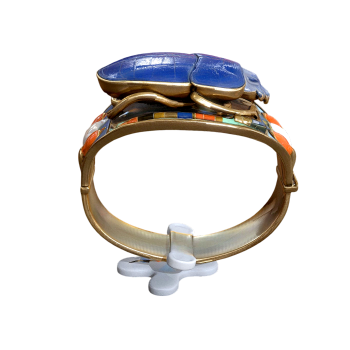
Hidria Ancient Greek Ceramic Container - Paul Getty Museum
Greek for ὑδρία, it is an ancient Greek ceramic container primarily used for storing and transporting water. The characteristic of this ceramic is that it has three handles: two horizontal side handles for lifting the container, and a vertical rear handle for pouring the contents. Around 550 BC, a hidria was produced in the Attica region, depicting scenes of Dionysus, Ariadne, and Poseidon. This artwork is currently housed in the Paul Getty Museum. This ancient Greek ceramic work not only showcases the craftsmanship of the time, but also reflects Greek mythology and religious beliefs.

Alabasteron Ancient Greek Pottery - Paul Getty Museum
It is a type of ancient Greek pottery, named after the Greek word "ἄλαβ στρον", referring to an elongated container with a rounded bottom and a lid at the mouth. The name and shape may originate from Egypt and have the same name as the stone used to make this container. It is usually used to store oils, especially perfume used by women after bathing. This specific Alabasteron was produced in the Attica region and can be traced back to 490 to 470 BC. The scene depicted on the container is a person holding a bow and arrow and an axe, with palm trees in the background. Currently housed in the Paul Getty Museum. It is an important cultural relic for studying the daily life and artistic style of ancient Greece.

Popular Models


Honey Badger (3D animated model)
192 View
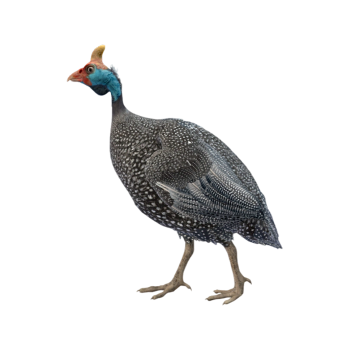
Guinea fowl (3D animated model)
163 View

Wild Goose (3D animated model)
185 View

Red Fox (3D animated model)
153 View
Random Model

UETPA light bulldozer
695 View
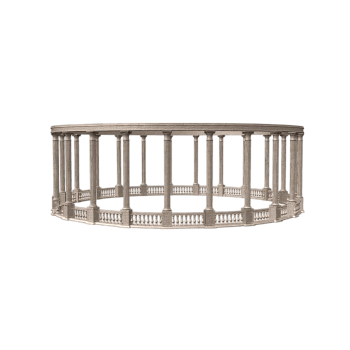
Arena
611 View

Wilder T4 astronomical theodolite
636 View


Russian MiGUTS trainer
762 View



Ford Mustang Fastback 1967 models
729 View